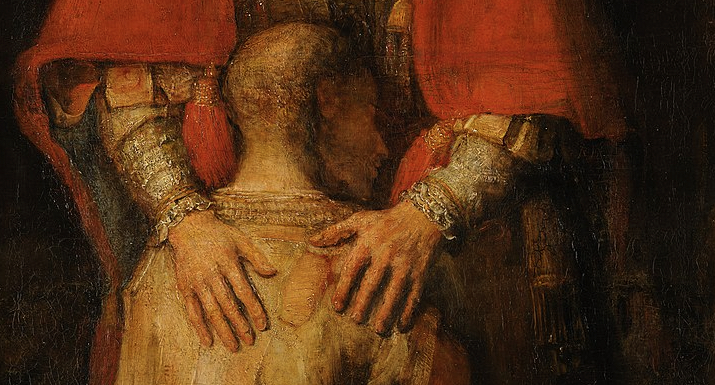
Forgiveness. One of humanity’s oldest and most complex virtues has stirred hearts and minds across centuries.
The earliest preserved story of forgiveness appears in the Hebrew Bible through Joseph, who forgave his brothers after they sold him into slavery. The very word forgive, from Old English, means to grant pardon or indulgence. From its inception, forgiveness has carried the idea of release, a letting go that offers freedom to both offender and offended.
Spiritual and cultural roots
In Judaic tradition, forgiveness rests on the idea that while an act may be wrong, the person’s essential worth remains intact. It is a moral system grounded in guilt and accountability, where acknowledgment of harm is a sacred first step. Forgiveness, therefore, becomes a relational exchange, one that requires humility, dialogue and awareness of the pain caused.
Christianity expands this concept, urging unconditional grace. In the New Testament, forgiveness becomes not merely a moral suggestion but a spiritual commandment. “Judge not, that ye be not judged” (Matthew 7:1) and “Forgive, and ye shall be forgiven” (Luke 6:37) speak to a faith rooted in mercy. Jesus’ plea from the cross, “Father, forgive them, for they know not what they do” (Luke 23:34), stands as the purest expression of compassion. In this sense, forgiveness in Christianity is not contingent on confession; it is an act of divine love.
In Buddhism, forgiveness is neither about condoning harm nor seeking reconciliation. It is a practice of self-liberation, perhaps viewed as a way of releasing anger and resentment, which are considered poisons that harm the one who clings to them. To forgive may be a way to reclaim one’s peace of mind. Through mindfulness and loving-kindness, the practice invites awareness that all beings are capable of both causing and enduring suffering.
Forgiveness thus becomes an inward act of compassion that breaks the cycle of pain and allows a return to clarity and peace.
The human heart of forgiveness
And yet, forgiveness rarely comes easily. For many, it is a long, winding road, one sometimes never taken. To forgive can feel like betraying one’s pain, or worse, erasing what truly happened. Anger and grief can feel like the only remaining ties to a profound loss and letting go may seem impossible.
Still, forgiveness can bring quiet relief. It can ease the weight of carrying old sorrow, freeing the heart from the burden of resentment. It is not about denying or excusing the harm done, but about reclaiming the self from the shadow of that harm. For some, forgiveness becomes a turning point, the moment one chooses freedom over bitterness. From a psychological perspective, forgiveness often follows trauma. It can emerge when holding on becomes more painful than releasing.
For those raised to see vulnerability as weakness, forgiveness may feel unsafe, as though it surrenders control. But when vulnerability is understood as courage, forgiveness becomes an act of strength: a bridge toward empathy, understanding and healing. At its core, forgiveness asks us to allow the full spectrum of human feelings of anger, sorrow, guilt, even grace without censorship. It is not about forgetting but about remembering differently. Remembering with self and other compassion instead of bitterness, with acceptance of pain as not being devouring but perhaps transformative softening the grip of judgment.
Forgiveness is not an obligation but may be viewed as an evolution, a shift from surviving to living. It asks of us both humility and courage. A humility by which we may experience our own humanity. A place where courage exists to keep our hearts open even after they have been shattered.
In the end, forgiveness may not always be possible. But the contemplation of it, and the willingness to ask the question of it, may itself be an act of grace.
Image: Section of “The Return of the Prodigal Son” (Rembrandt)
Related content: