Being of service in unexpected ways
Marking Memorial Day, we reflect with gratitude on those who have served and protected our country from harm and invasion — honoring our right to freedom, prosperity and dignity. We might also reflect on the service we are all able to contribute from within our borders each and every day.
In little and big ways, being of service can be not only of enormous help for others but also deeply rewarding and strengthening of our own soul and character.
I have written a good deal about the importance of self-care, which is essential for growth, balance and health. Remember the image in airplane pamphlets that instructs the mother to first put on the oxygen mask before tending to her child. We must learn to breathe freely and deeply ourselves.
When this balance is reasonably in place, then the focus and attention of being in service becomes a key aspect of our growth and development.
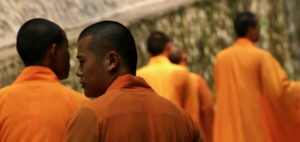
From volunteering at the local school picnic, to helping a blind person walk across the street, to reading stories to children at the local hospital. There was an old story once told by a senior Buddhist monk who spoke of the new monks coming in to the monastery for the first time.
Many of the new monks presumed their strongest skill sets would be applied in the monastery. The senior monk, however, had other plans for them. He would place the skilled monks in areas where they were not so skilled, and in doing so they were required to develop and strengthen skills they did not realize they also had.
In being of service, perhaps consider expanding the areas in which you might be of help. If you have never volunteered at a soup kitchen at Thanksgiving, or ever read a story to a housebound senior, or ever cut some flowers from your garden and given them to an ailing neighbor, you’ll find the feeling that comes from being connected with a fellow traveler on life’s journey through simple acts of generosity and kindness cannot be described in words.
Being in service a little here and there is pretty cool and infinitely life sustaining.
The capacity to both celebrate and grieve

Ding dong, Bin Laden’s dead! Yes, and we in the United States celebrate, of course. In the midst of all that cheering, though, many of us also feel grief.
For while our formidable enemy now swims with the fishes, the memory of the thousands of innocents he killed still carries an impact of epic proportion.
We mourn the dead, reach out to their loved ones and never forget the shock and the trauma that hit our shores that early morning of 9/11.
Sometimes we mistakenly believe that we must only have one primary emotion at a time. This is simply not the case.
Most of us have a space within us that contains multiple emotions. They ebb and flow. The pain of 9/11 remains; the pride and joy of killing Enemy No. 1 is experienced at the same time.
Feeling all of our feelings is what makes us human. So don’t be surprised that while celebrating the death of a mass murderer, you also notice some residual pain, anger and grief. Know that this makes sense and is perfectly understandable.
The ability to juggle conflicting and simultaneous emotions makes us the unique human beings that we are.


